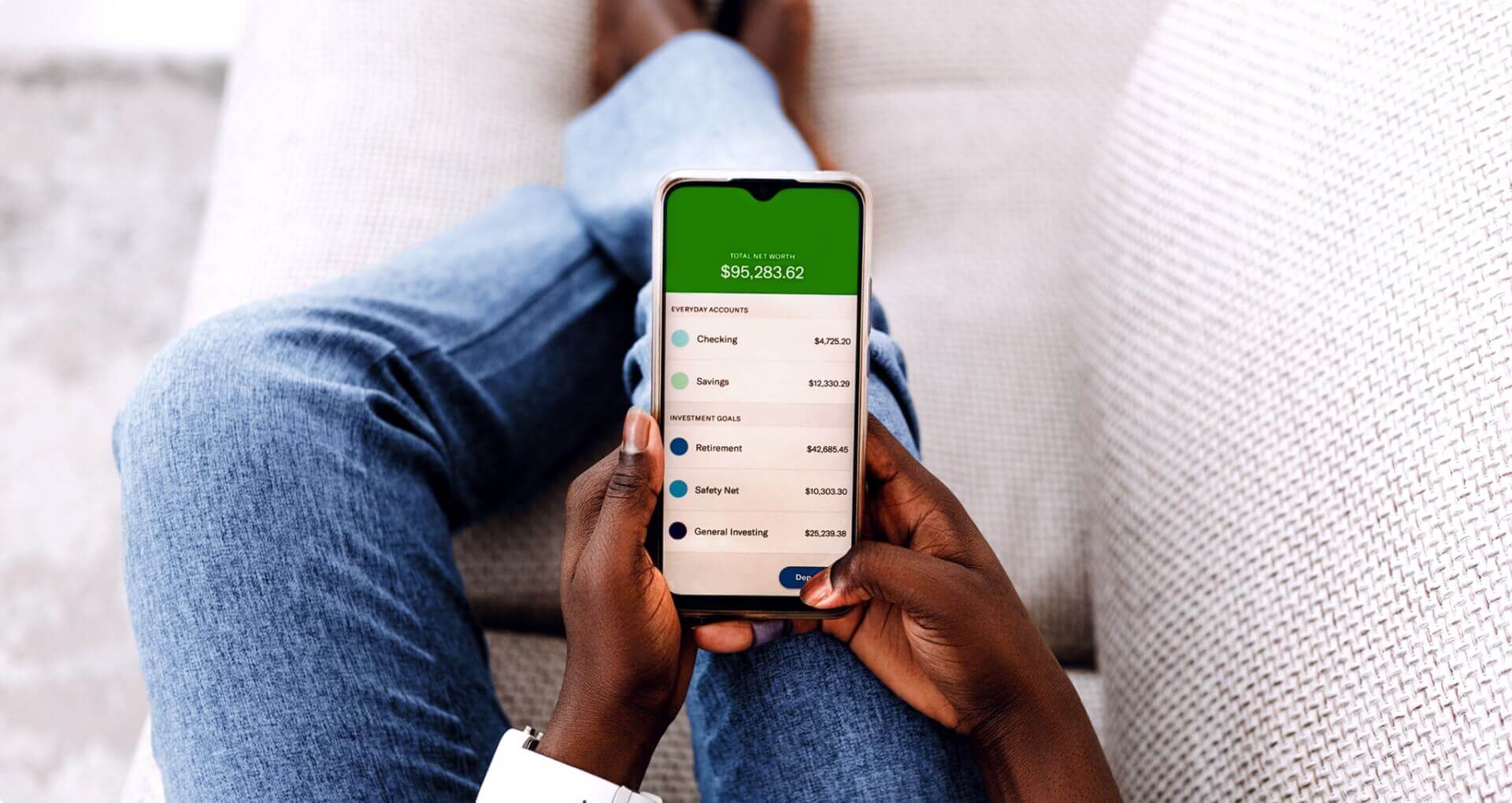
Customer Experience Management (CXM) involves overseeing and analysing all customer interactions with a business. This process intends to enhance the overall customer experience at every touchpoint by gaining a comprehensive understanding of customer perceptions and sentiments. Strategies are then formed to ensure each customer engagement is positive and contributes to a wider, more loyal customer base.

Customer experience management (CXM) is an essential practice for businesses operating in a competitive market. Investing in CXM provides valuable customer insights which can be used to significantly improve the customer journey. Conducting CXM in accordance with best practices will often lead to a number of accumulating benefits.
Ensuring a positive experience at each touchpoint raises overall customer satisfaction levels. These heightened satisfaction levels increase customer retention levels. Happy customers will continue purchasing from a business for longer and be far more receptive to upselling, cross-selling, and additional offerings. Providing consistently positive customer experiences over time will foster loyalty. Greater levels of loyalty lead to notable increases in Customer Lifetime Value (CLV).
Relationships which develop into customer loyalty through positive experiences presents the opportunity for customer advocacy. Customer advocates will proactively promote a brand to others and aid in attracting new customers. Higher customer advocacy levels has a direct effect on customer acquisition by reducing the average cost per customer (CPC).
While companies may often have feature parity for core aspects of the customer experience, a truly world-class customer experience is difficult to replicate. Focusing on providing exceptional experiences can be a strong competitive differentiator.
Effective CXM leads to increased profits through greater customer satisfaction and subsequent lifetime value, decreased acquisition costs through advocacy, and strong competitive differentiation.
Following best practices when conducting CXM is the best method to ensure optimal customer satisfaction, loyalty, and advocacy levels while extending the degree of competitive differentiation to be gained. Below are some best practices to enhance Customer Experience Management:
Categorize customers into segments based on their needs, behaviours, and preferences. Use these segments to personalise the customer journey based on these needs, behaviours, and preferences to enhance their overall experience. To achieve this, use welcome surveys and gain insights consistently at each other touchpoint by incentivising customer feedback.
Provide a guided onboarding experience for customers if they’re encountering a new product or service to prevent them from feeling overwhelmed. For example, a clearly stated checklist can help to ease the onboarding process for new customers. If necessary, provide live support and additional resources to ensure customers are comfortable with their purchase.
Analyse customer behavior to identify which areas or lifecycle stages customers encounter the most difficulty and dissatisfaction. This is sometimes referred to as funnel analysis and is an effective method of understanding customer behavior. Leveraging advanced analytics is an optimal approach to gain accurate and actionable insights. Prioritise the resolution of these issues to ensure positive and seamless experiences for customers throughout their journey.
Collect and analyse feedback across all customer touchpoints to optimise their experience. Employ methods of gathering both qualitative and quantitative feedback to gain a comprehensive understanding of customer sentiment.
Do so consistently to quickly identify arising changes in customer expectations and to provide product/service development teams with a clearer vision for improvements.
Provide an online resource centre for customers to independently find solutions to their queries. Customer resolution preferences vary and for smaller queries, many prefer to quickly reference a resource centre rather than reach out directly. This is also a form of proactive support for businesses without 24/7 customer support.
Include comprehensive guides, frequently asked questions, and visual tutorials to enable customers to solve issues autonomously.
Implement customer loyalty programmes to incentivise repeat purchases and engagement. This is an effective feature to enhance perceptions of brand community and increase customer advocacy.
Streamline process design and management to drive outcomes that matter. Revenue Acceleration. Cost Optimization. Enhance Experiences.