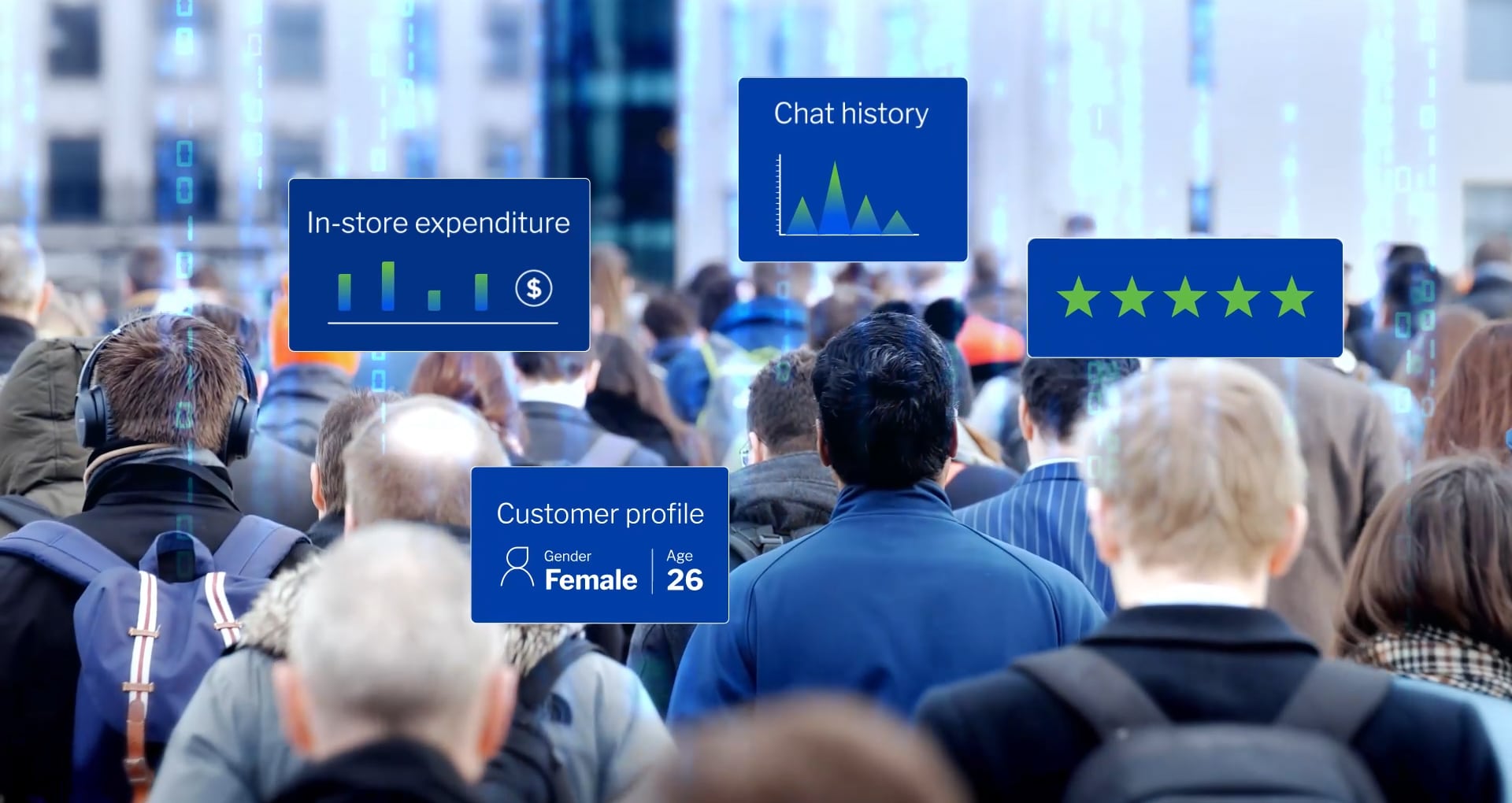

Operational Analytics use cases
Operational analytics in customer service is a powerful tool that helps organizations optimize processes, enhance efficiency, and deliver superior customer experiences. Here are several use cases that highlight the impact of operational analytics in this context:
Call volume forecasting
Analyze historical data to enable accurate forecasting of call volumes. This helps in optimizing staff scheduling to ensure adequate support during peak times, reducing wait times for customers.
Agent performance optimization
Monitor key performance indicators (KPIs) for customer service agents. It provides insights into metrics such as average handling time, first-call resolution, and customer satisfaction, facilitating targeted coaching and training for continuous improvement.
Customer journey analysis
Track customer interactions across various touchpoints to understanding the entire customer journey. Operational analytics identifies pain points and areas for improvement, enabling organizations to enhance the overall customer experience.
Channel optimization
Analyze customer preferences and behaviors on different channels (phone, chat, email, social media) to optimize channel offerings. This ensures that resources are allocated efficiently and that customers can engage through their preferred communication channels.
Self-service analytics
Monitor the effectiveness of self-service options, such as FAQs and chatbots, to identify areas for improvement. Operational analytics allows organizations to enhance self-service capabilities, reducing the need for live agent interactions.
Customer satisfaction analysis
Link customer interactions with satisfaction scores provides valuable insights. Operational analytics helps in identifying the factors that contribute to customer satisfaction or dissatisfaction, guiding strategies for improvement.
Resolution time reduction
Identify bottlenecks in the case resolution process. By streamlining workflows and automating routine tasks, operational analytics reduces case resolution times, leading to improved customer satisfaction.
Proactive issues resolution
Identify potential issues before they escalate. By analyzing patterns in customer interactions, organizations can proactively address emerging problems, preventing widespread dissatisfaction.
Workforce management
Analyze agent work patterns and workloads to optimize workforce management. Operational analytics ensures that work is distributed evenly among agents, reducing burnout and improving overall team efficiency.
Quality monitoring and compliance
Monitor quality by evaluating call recordings, chat transcripts, and other interactions to ensure compliance with industry regulations and internal standards, reducing the risk of legal issues and reputational damage.
Customer feedback analysis
Analyze customer feedback, including surveys and social media comments, to gather valuable insights into customer sentiment. Understand the drivers behind positive and negative feedback to guide improvement initiatives.
Resource allocation and budgeting
Optimize resource allocation and budgeting for customer service operations. By identifying areas of high demand and potential cost savings, organizations can allocate resources effectively