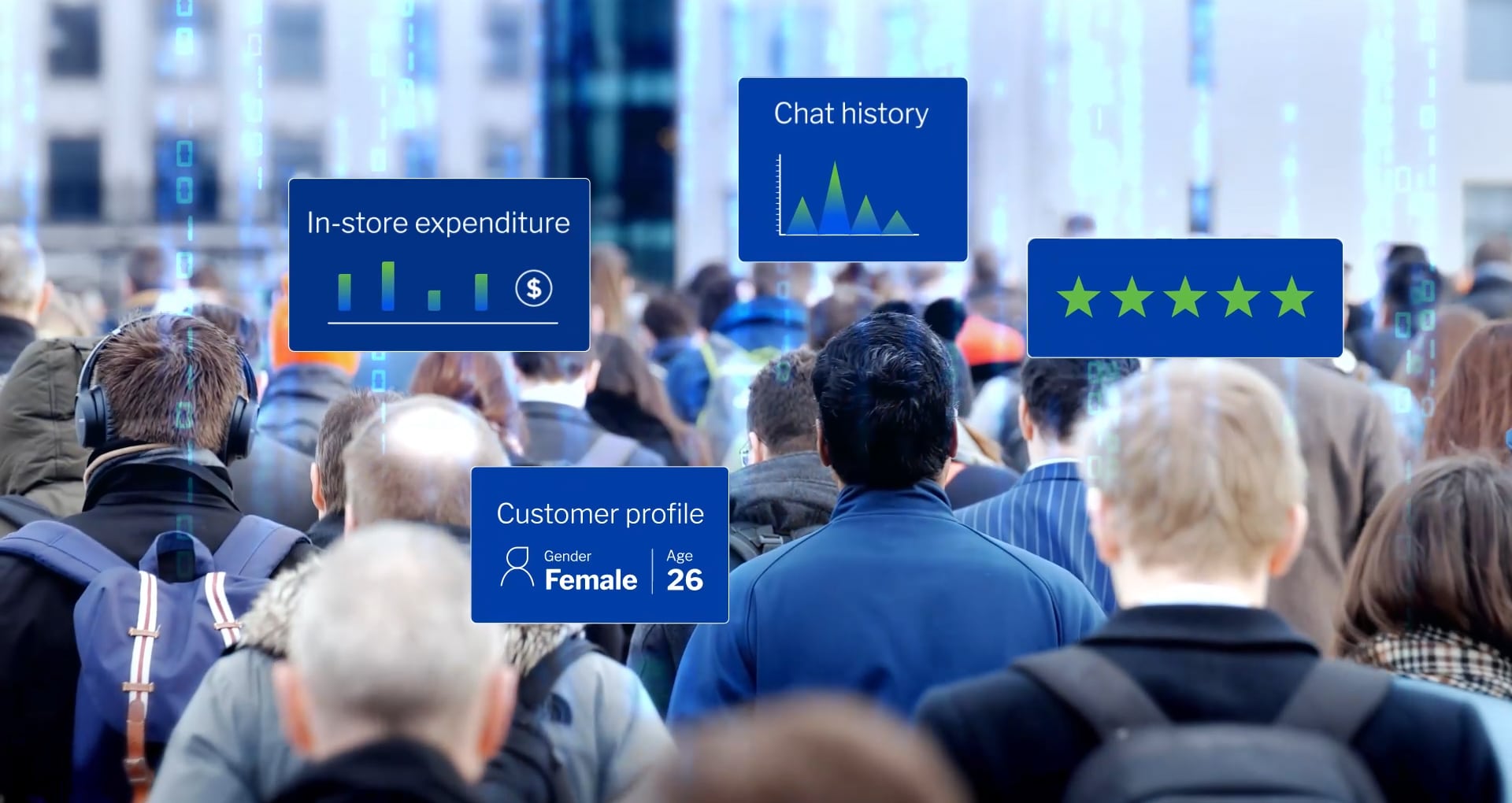
Sentiment analytics employs various computational techniques and algorithms to analyze the emotional tone behind words and phrases used in communication. The primary objective is to determine the sentiment expressed in a piece of text, whether it’s positive, negative, or neutral. Key components of Sentiment Analytics include text processing, ML algorithms, and Natural Language Processing (NLP). Sentiment Analysis tools play a crucial role in helping organizations how customers perceive and interact with their products and brands. By enabling efficient processing of information flowing through diverse, unconnected platforms, it provides real time insights into customer sentiment to build stronger relationships and maintain competitive advantage.
Applications of Sentiment Analytics include:
Monitor social media platforms for mentions, comments, and reviews about your products, services, or brand. Respond promptly to emerging issues (both positive and negative), manage brand reputation, guide marketing strategies, and enhance customer engagement efforts.

Identify the emotional tone of customer queries or complaints to prioritize and address issues more effectively. Sentiment analysis software can be integrated into contact centers to evaluate the sentiment of customer interactions in real-time. This allows for immediate identification of issues, enabling agents to address concerns more effectively and enhance the overall customer experience.
Analyze customer reviews, surveys, and feedback to understand customer satisfaction levels and identify areas for improvement, address concerns, and improve overall customer satisfaction.
Evaluate the sentiment of emails and chat interactions to prioritize and address customer inquiries based on their emotional tone, improving the efficiency and effectiveness of support services.
Proactively drive customer retention efforts by identifying signs of dissatisfaction early on and taking preventive measures, such as personalized outreach or targeted promotions, to retain customers.
Understand customer perceptions, preferences, and pain points to align strategies with customer expectations.
Better understand customer sentiment, build life-long relationships, and sharpen competitive advantage.